2026-10-24 · Frank Delgado
How Valley Stream Soil Conditions Affect Slab Leak Repairs
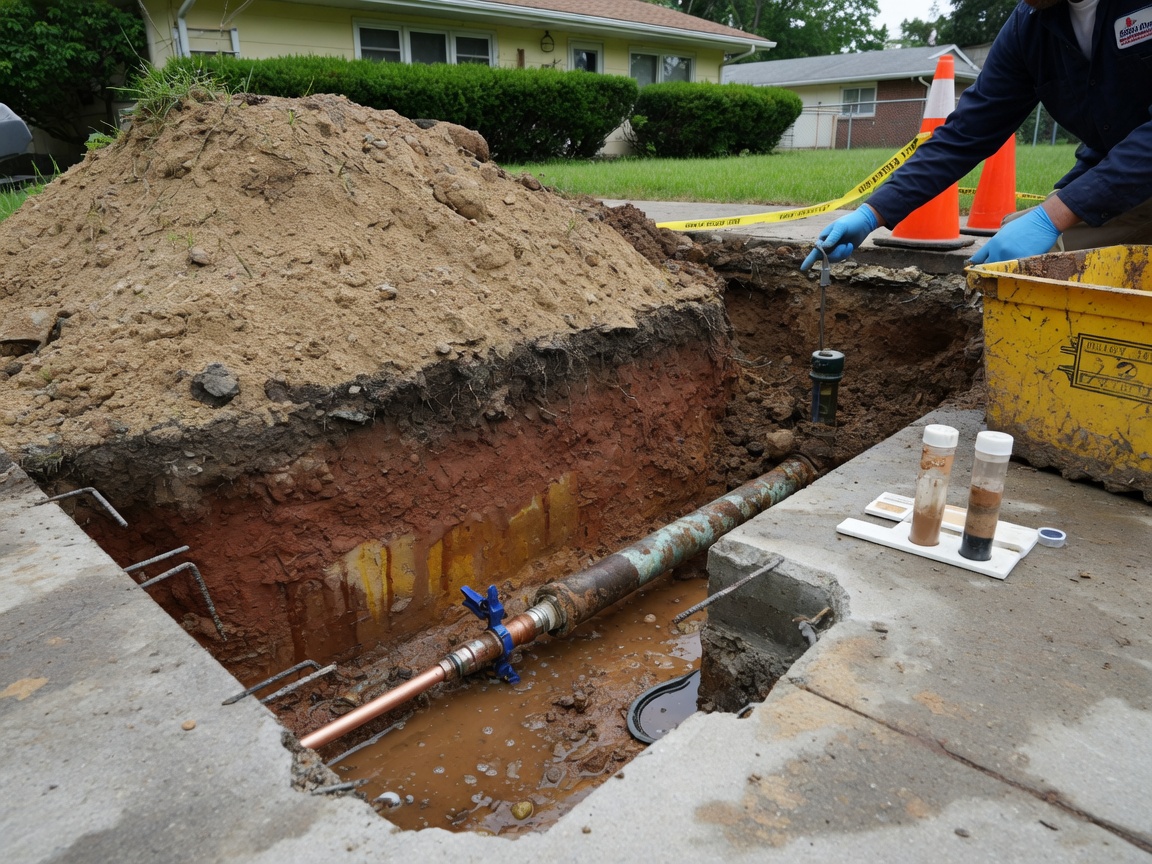
Valley Stream clay and sandy loam soils shift 1–3 inches seasonally, pushing against 1950s–1970s slab foundations and causing pinhole leaks in copper supply lines within 8–12 years of installation.
Clay Content and Expansion Pressure
Valley Stream sits on pockets of clay-heavy soil mixed with sand, especially near North Valley Stream and Green Acres. When heavy spring rains saturate the ground, clay swells and exerts upward force on slabs. This movement bends rigid copper or early PVC lines until joints separate or walls thin. In drier fall months the clay contracts, dropping the slab and leaving pipes unsupported. The result is stress fractures that appear first near the water heater connection or under bathroom slabs. Repair crews must excavate wider access pits to reach the moving section rather than a single leak point. Homeowners in Green Acres often see repeat leaks within two years because the same expansion cycle re-stresses newly spliced pipe.
Freeze-Thaw Cycles and Soil Heave
Nassau County winters bring repeated freeze-thaw events that heave saturated soil 2–4 inches. Slabs in Valley Stream Village and Westwood ride this movement, fatiguing buried lines where they exit the foundation. The humid subtropical climate keeps soil moisture high even in January, so ice lenses form beneath the slab and lift sections unevenly. After thaw, the slab settles at a slightly different angle, shearing older soldered joints. Technicians responding after a cold snap routinely find leaks within 18 inches of the perimeter where soil heave is greatest. Signs of Slab Leaks After Winter Freezes in Valley Stream outlines the surface clues that appear first in these neighborhoods.
Detection and Access Complications
Dense clay slows water migration, so surface damp spots show days or weeks after the actual leak starts. Crews therefore rely on acoustic listening and camera inspection rather than moisture meters alone. Once located, the same clay makes trenching slower; spoil piles must be managed to prevent re-compaction against the new pipe. In areas like Mill Brook and Dutchgate, high water tables add another layer: any excavation below 18 inches quickly fills with groundwater, requiring pumps before epoxy lining or repiping can begin. Slab Leak Detection crews schedule extra time for these conditions so the repair itself is not rushed.
Repair Choices That Account for Local Soil
Because Valley Stream soil continues to move, many repairs now use flexible PEX loops or expansion joints instead of rigid copper replacements. When the leak sits under a finished floor in Downtown Valley Stream or Village Center, technicians often recommend tunneling from the exterior rather than breaking large sections of slab. This approach limits disruption while allowing the new line to flex with future soil shifts. Water Leak Under Slab Repair teams document soil type at each job so future service calls can anticipate the same movement patterns.